Guided RFQ preparation

Stick welding equipment checklist before approval

This buyer checklist is for cross-functional teams preparing stick welding equipment questions. Welding Equipment Sourcing coordinates the brief. It does not select an electrode brand for you and does not hold inventory.

Freeze five fields before anyone ranks a catalog photo: process SMAW, base metal and thickness in mm, electrode diameter range, open-circuit voltage question, and input power. A 3.2 mm electrode and a 4.0 mm electrode change the output range you should request. Duty cycle still needs a current in amperes and an ambient temperature in °C.

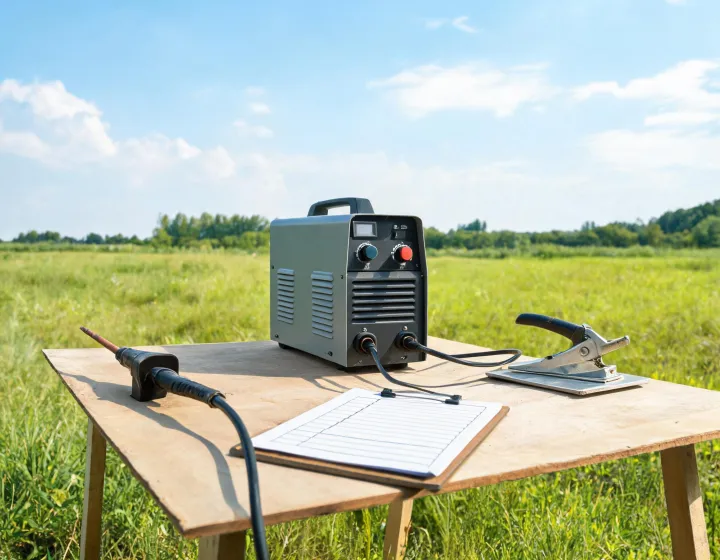
Stick electrode holder and unbranded inverter on a field crate

Evidence matrix for the proposed stick model

Every cell is a request bound to one proposed model and one supplier. A family brochure does not fill the cell. IEC 60974-1 is the method name to ask for when duty cycle is discussed. It is not a certificate owned by this desk.

Topic What to ask Who answers Still open until
Output Ampere range and duty cycle at 40 °C on a 10-minute cycle Proposed supplier Datasheet names the model
Electrode Diameter range, such as 2.5 mm to 4.0 mm, and polarity Proposed supplier Written against your metal
Input Volts, Hz, phase, or generator kVA if field power is used Supplier plus your electrician Panel or generator note matches
Environment Ingress protection, noise level, ambient limits Proposed supplier Install is indoor or outdoor
Commercial Quantity, incoterm, crate, spare parts list Supplier commercial contact Exclusions are listed
Acceptance Factory acceptance test steps you want, if any Both sides A procedure is attached

Selection dimensions among processes, without ranking factories: stick avoids a shielding-gas bottle and can suit dirty steel, with stops to change electrodes that limit throughput. MIG adds wire feed and gas for longer beads on clean carbon steel. TIG adds tungsten control for thin stainless, usually with a lower deposition rate. Use those dimensions to decide which RFQ to open. Do not treat them as measured results for an unnamed inverter. Working envelope here is lead length and stinger access, not a robot reach.

Document and acceptance questions

Which file is enough to compare two stick offers?

A current datasheet plus the test basis for duty cycle, both naming the model. Add the drawing if cable length or case size matters. Headline amperes alone repeat the headline-versus-test-basis dispute: useful for a first sort, weak for approval. Ask the supplier to list specification deviation from your electrode and thickness note.

How do price and package disputes show up on stick gear?

Lowest purchase price can hide leads, a stinger, and freight. Comparable delivered scope puts those lines beside the inverter. A standard 230 V package may be enough for a bench. An application-specific generator-ready or low-open-circuit package is a different bill of materials. Commissioning scope is often just a manual for stick equipment, and that limit should be written so it is not assumed to include on-site training.

What will this desk not close?

Stock, fit to an old lead set, UL or ETL status, ISO 9001 scope, and delivery date. Those stay with the proposed supplier. Optional budget still needs currency and a per-unit or whole-order basis. Preference for premium, mid-range, budget-friendly, or undecided suppliers is your posture in 2026 purchasing, not a grade already checked. No reply interval is published.

Worked example: a maintenance crew in 2026 repairs 8 mm to 16 mm carbon steel outdoors, quantity 4 inverters, destination Kansas. The process step records electrode diameter and generator kVA as blanks. The result is a document request, not a purchased model. Pair this page with arc duty rows and the evidence note.
Prepare a specification review

Describe the electrode range, thickness, quantity, and destination in the requirement box. Drawings can follow after the desk replies. There is no upload field and no countdown on this review.